 Pin It
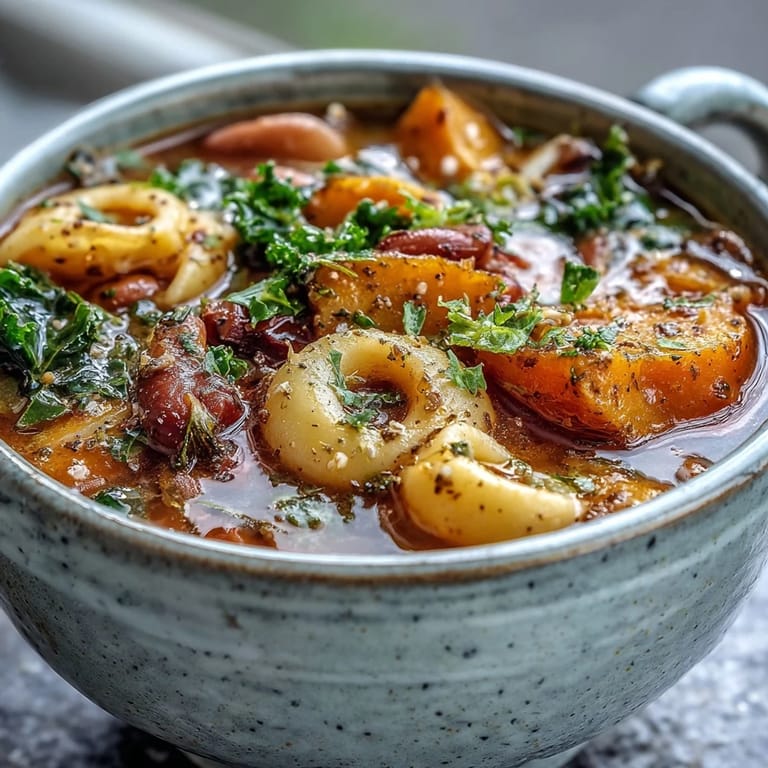
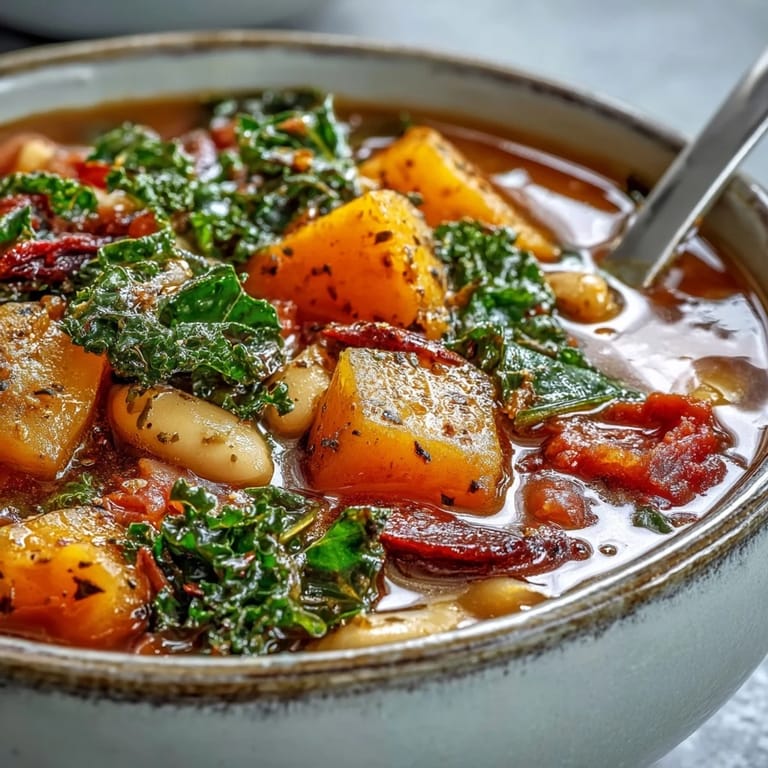
 There's something about the smell of butternut squash caramelizing in hot oil that makes a gray afternoon feel less heavy. I discovered this soup one November when I had three vegetables left in my crisper drawer and no clear plan, so I just started chopping. What emerged was this golden, deeply comforting minestrone that somehow tastes like it took all day, even though the whole thing comes together in an hour. My kitchen filled with the warmth of oregano and thyme, and by the time I ladled the first bowl, I understood why Italians built their whole cooking philosophy around simple vegetables and patience.
I made this for my neighbor once when she was under the weather, and she later told me she heated it up every day that week. That moment stuck with me—not because it was fancy, but because something so straightforward could genuinely comfort someone. Now whenever the first real cold snap hits, I triple the batch and start handing out containers.
Ingredients
- Olive oil: Use a decent one here since it's not getting cooked into oblivion; the flavor actually matters.
- Yellow onion, carrots, and celery: This is your aromatic base, and yes, the old trinity actually works every time you follow it.
- Garlic cloves: Mince them fine so they dissolve into the broth rather than sitting as little chunks.
- Butternut squash: Peel it before dicing (a vegetable peeler works fine if you don't have a knife sharp enough to wrestle with the skin), and aim for roughly half-inch pieces so they soften evenly.
- Zucchini: Dice it the same size as the squash so everything cooks together without some pieces turning to mush.
- Fresh kale: Remove those tough stems by running your thumb down the center and pulling; they won't soften no matter how long you simmer.
- Diced tomatoes: Keep the juices; they're part of your flavor base, not waste.
- Cannellini beans: Rinse them thoroughly under cold water to cut through the tinny flavor of the can.
- Small pasta: Ditalini is traditional, but elbow macaroni works just as well and probably lives in your pantry already.
- Vegetable broth: Don't go for the ultra-light stuff; you want something with actual body.
- Oregano, thyme, and rosemary: Dried herbs are your friend here since fresh ones can turn bitter during long simmering.
- Red pepper flakes: Optional, but they add a subtle warmth that keeps the soup from tasting one-note.
- Fresh parsley: This goes in at the very end to bring everything alive; it's the difference between a bowl of vegetables and something that tastes bright.
- Parmesan cheese: Freshly grated is noticeably better than pre-grated, and you only need a small handful.
Tired of Takeout? 🥡
Get 10 meals you can make faster than delivery arrives. Seriously.
One email. No spam. Unsubscribe anytime.
Instructions
- Build your flavor base:
- Heat olive oil in a large pot over medium heat and add onion, carrots, and celery. Let them sit undisturbed for a minute, then stir, and keep going until they're soft and the onion turns translucent—this takes about 5 to 6 minutes and is worth the patience.
- Wake up the garlic:
- Add minced garlic and let it toast for just a minute, stirring constantly so it softens without browning.
- Add your squash and zucchini:
- Toss them in and stir occasionally for 4 to 5 minutes; you're not trying to cook them through yet, just beginning to soften the edges.
- Build the broth:
- Pour in the tomatoes with their juices, then add your vegetable broth and water. Bring the whole thing to a boil, which will take a few minutes and creates this beautiful moment when everything suddenly starts bubbling.
- Season and simmer:
- Add oregano, thyme, rosemary, and red pepper flakes if you're using them. Turn the heat down so the soup simmers gently for 15 minutes; this is when the flavors actually integrate instead of just existing in the same pot.
- Add beans and pasta:
- Stir in the drained cannellini beans and pasta, then simmer for another 8 to 10 minutes until the pasta is tender and the butternut squash breaks easily with a spoon.
- Finish with kale:
- Add the kale and cook for 2 to 3 minutes just until it wilts and turns a deeper green. Taste the soup and adjust salt and pepper to your preference.
- Final touch:
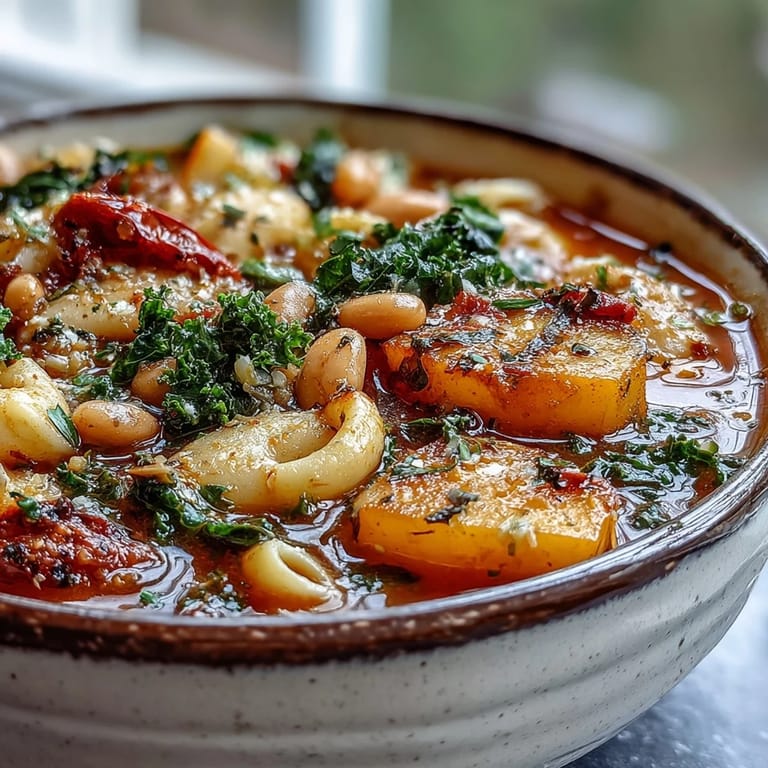
- Turn off the heat, stir in fresh parsley, and let the pot sit for a minute while you get your bowls ready.
 Pin It
  Pin It
 There was this moment when my son, who eats approximately three vegetables, asked for seconds and then thirds of this soup. I realized then that good food isn't about convincing people to eat what's good for them; it's about making vegetables taste like something worth wanting.
Why This Soup Hits Different in Winter
Something happens when the temperature drops and you need food that actually warms you from the inside. This soup delivers on that promise without being heavy or making you feel stuffed; it's substantial enough to be dinner but doesn't leave you reaching for antacids at midnight. The butternut squash brings this natural sweetness that prevents the soup from tasting austere or purely vegetable-forward.
Stretching One Batch Into Multiple Meals
Make a full pot on Sunday and you have lunch built into your week, which is the kind of practical magic that keeps you sane during work days. I freeze it in quart-sized containers and pull one out whenever the forecast looks grim; it thaws in a pot on low heat in about 15 minutes. The pasta will continue absorbing broth as it sits, so add a bit more liquid when you reheat if it's gotten too thick.
Customizing Without Losing the Soul
The beauty of minestrone is that it welcomes improvisation without becoming a different dish entirely. Swap the zucchini for green beans, use chickpeas instead of cannellini, or throw in some spinach alongside the kale if you're feeling it. The structure—aromatic base, sturdy vegetables, beans, pasta, and herbs—stays the same, so you can't really go wrong as long as you follow that foundation.
- For a vegan version, skip the Parmesan or grate some nutritional yeast over the top for that savory richness.
- If you're gluten-free, swap the ditalini for gluten-free pasta and let it cook a minute less than the box suggests so it doesn't turn to mush.
- A Pinot Grigio pairs perfectly because the acidity cuts through the richness of the olive oil and the sweetness of the squash.
 Pin It
  Pin It
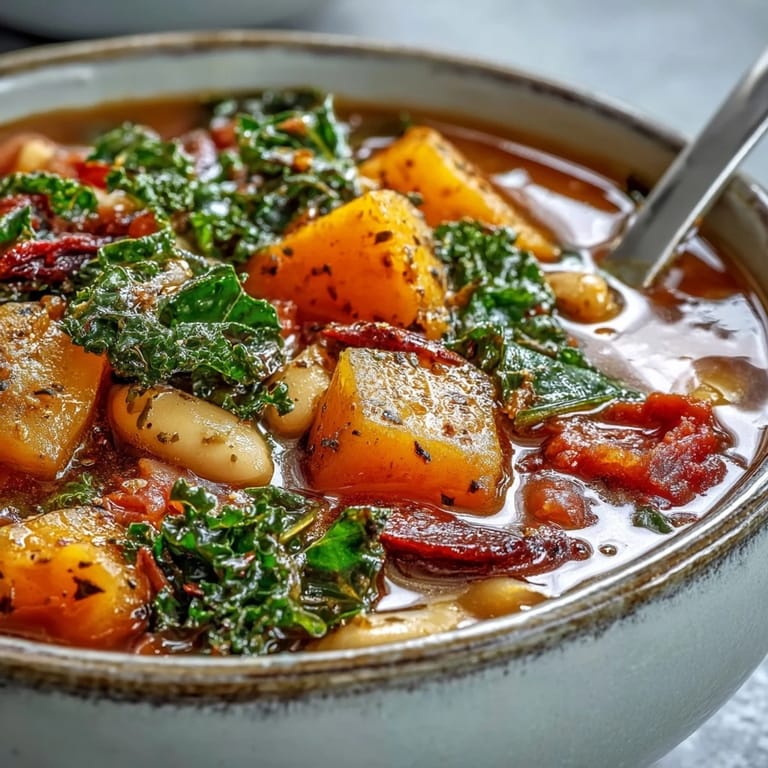
 This soup is the kind of dish that asks very little of you but gives back something warm and genuine. Serve it with crusty bread, a small handful of Parmesan on top, and the confidence that you've made something deeply, honestly good.
Recipe FAQs
- → Can I make this soup ahead of time?
Yes, this minestrone keeps well in the refrigerator for up to 4 days. Note that the pasta will absorb liquid over time, so you may need to add extra broth when reheating. For best results, consider cooking the pasta separately and adding it to individual servings.
- → What can I substitute for butternut squash?
You can use sweet potato, acorn squash, or even pumpkin as alternatives. Cut them into similar-sized cubes to ensure even cooking. Each option will bring a slightly different sweetness and texture to the soup.
- → How do I make this soup heartier?
Add more pasta or beans, include diced potatoes, or stir in cooked Italian sausage for a non-vegetarian version. You can also increase the variety of vegetables by adding green beans, spinach, or Swiss chard.
- → Can I freeze leftover minestrone?
Yes, but it's best to freeze the soup before adding pasta, as cooked pasta can become mushy when frozen and reheated. Freeze in airtight containers for up to 3 months, then add freshly cooked pasta when serving.
- → What type of pasta works best?
Small pasta shapes like ditalini, elbow macaroni, or small shells work perfectly. They're easy to eat with a spoon and cook quickly. Avoid long pasta like spaghetti, as it's difficult to manage in soup.
- → How can I add more flavor depth?
Try adding a Parmesan rind during simmering, use homemade vegetable stock, add a splash of white wine after sautéing the garlic, or finish with a drizzle of quality extra virgin olive oil and fresh lemon juice.