 Pin It
 There's a particular Tuesday morning when my kitchen felt too quiet, the kind of day where everything outside looked gray and damp. I'd picked up a knob of fresh ginger at the market almost by accident, and it sat on my counter practically demanding attention. Something about its warmth, that sharp bite when I sliced into it, felt like exactly what I needed to pour into a pot of simmering broth. The miso paste from my pantry—which I'd been saving for something special—became the final touch that transformed simple vegetables and water into something unexpectedly restorative. That first spoonful still stays with me.
I made this soup for my neighbor who'd just recovered from being under the weather, and watching her face when she tasted it—that quiet moment of satisfaction—reminded me why simple, intentional food matters. She asked for the recipe three days later, which is always the kindest compliment.
Ingredients
- Water or low-sodium vegetable broth (6 cups): This is your foundation, so don't skip quality here; a good broth makes all the difference in how the final soup tastes and feels.
- Fresh ginger (2-inch piece, thinly sliced): The thinner you slice it, the faster it infuses the broth, and you want those edges slightly translucent when the soup is done.
- Garlic cloves (2, thinly sliced): Slicing rather than mincing keeps the pieces whole enough that they'll soften gently without disappearing into the broth.
- White or yellow miso paste (2 tablespoons): The probiotics in miso are living cultures that die at high heat, which is why we add it off the stove—this is non-negotiable if you want those benefits.
- Napa cabbage (1 cup, thinly sliced): Its mild sweetness balances the sharpness of ginger, and it wilts just enough to become tender without becoming mushy.
- Carrot (1 medium, julienned): Thin slices cook faster and distribute color evenly throughout the bowl, making the soup look as inviting as it tastes.
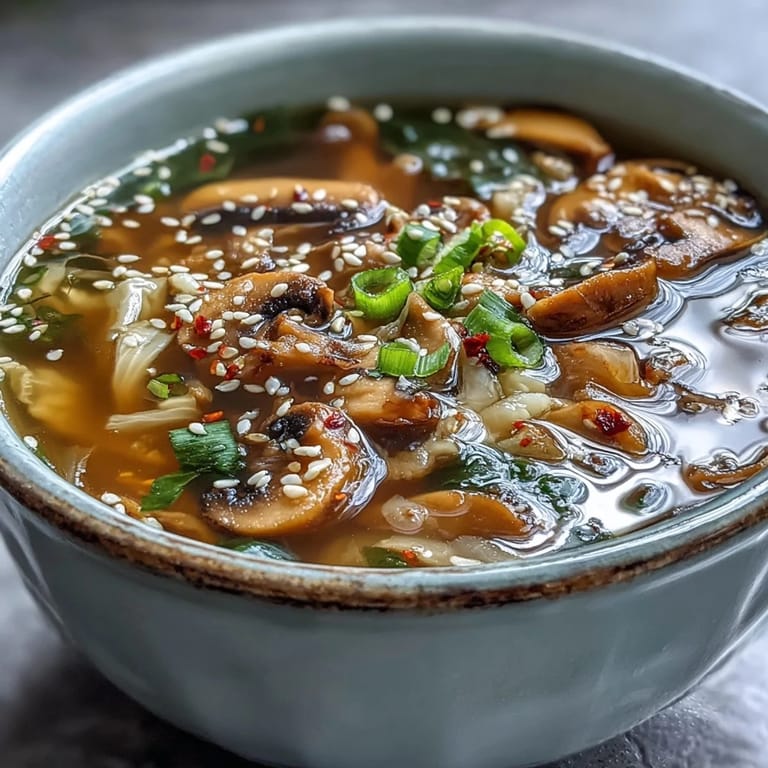
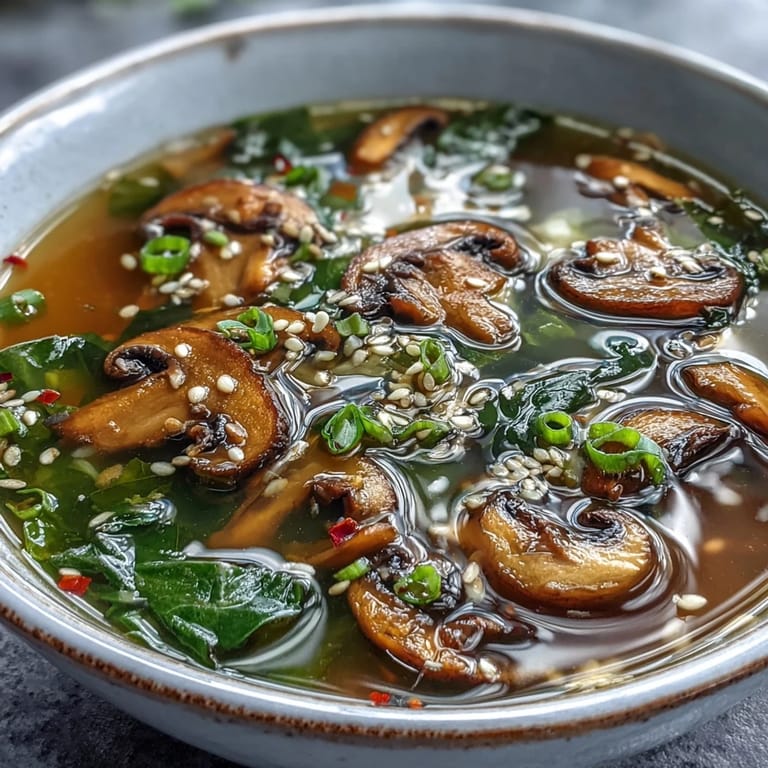
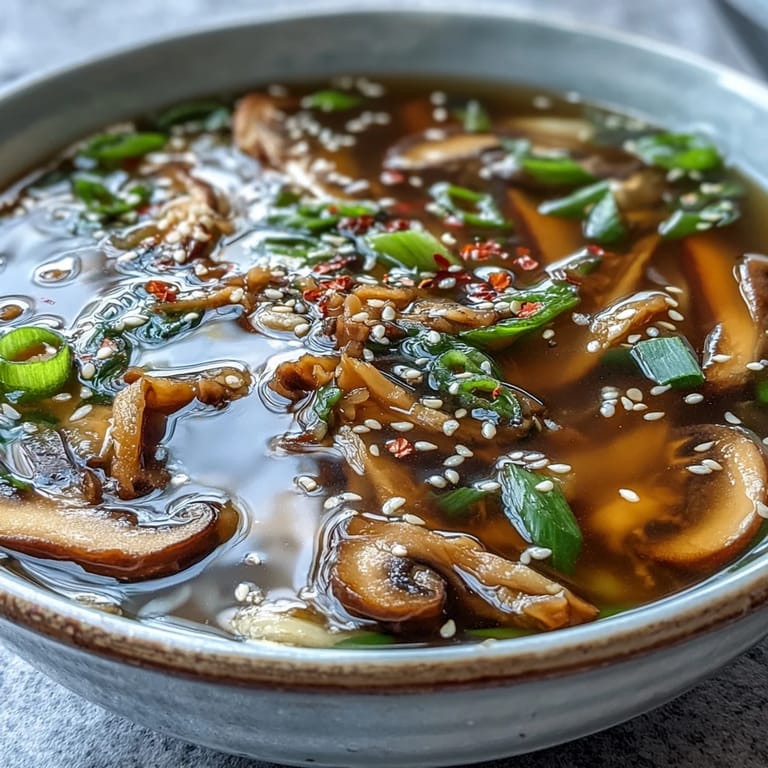
- Shiitake mushrooms (1 cup, stemmed and sliced): These bring an earthy depth that amplifies the umami from the miso, creating layers of flavor you didn't expect from such simple ingredients.
- Scallions (2, sliced): Add these fresh and bright just before serving so they keep their crisp texture and onion sharpness.
- Toasted sesame seeds (1 tablespoon): Toasting them yourself in a dry pan for 30 seconds releases their nutty oils and transforms them from ordinary to unforgettable.
- Fresh cilantro or parsley (1 tablespoon, optional): Either one brightens the soup, though cilantro adds a slightly herbaceous note that pairs beautifully with ginger.
- Chili oil or chili flakes (1 teaspoon, optional): A touch of heat cuts through the richness and wakes up your palate, but go gentle if you're serving to anyone who avoids spice.
- Silken tofu (200 g, cubed, optional): The silken variety keeps the soup's delicate broth clear and adds a subtle, creamy mouthfeel without heaviness.
- Soba or rice noodles (100 g cooked, optional): These transform the soup from a light starter into something more substantial that actually fills you up.
Tired of Takeout? 🥡
Get 10 meals you can make faster than delivery arrives. Seriously.
One email. No spam. Unsubscribe anytime.
Instructions
- Bring your broth to a gentle simmer:
- Pour your water or vegetable broth into a large pot and let it heat until small bubbles barely break the surface; this gentle approach means the ginger and garlic will release their flavors gradually rather than all at once.
- Let the ginger and garlic infuse:
- Slide in your thinly sliced ginger and garlic, then let them float in that warm broth for a full 10 minutes so the liquid picks up their warmth and sharpness. You'll notice the broth gradually taking on a pale gold color and that unmistakable ginger aroma filling your kitchen.
- Add the vegetables and let them soften:
- Stir in your napa cabbage, carrot, and shiitake mushrooms, then simmer for 5 to 7 minutes until the carrots are tender-crisp and the mushrooms have softened slightly. The broth will taste noticeably richer now, almost like it's come alive.
- Prepare and add the miso with care:
- Pull the pot off the heat first—this is crucial because miso's living probiotics are heat-sensitive. Scoop a ladle of hot broth into a small bowl, add your miso paste, and whisk until it's completely smooth with no lumps, then stir this mixture back into the pot gently.
- Warm any optional additions:
- If you're using tofu or cooked noodles, add them now and let everything warm through for about 2 minutes, just long enough to heat them through without cooking the soup any further.
- Finish and serve with intention:
- Ladle the soup into bowls and scatter the scallions, toasted sesame seeds, and any herbs across the surface, finishing with a drizzle of chili oil if that's your preference. Serve immediately while the bowl is still steaming.
 Pin It
 I've learned that food heals in ways that go beyond nutrition, and this soup proved that to me on a cold afternoon when my friend and I sat in my kitchen talking for three hours over bowls that somehow never seemed to empty. That's when I knew this recipe was worth keeping close.
Why Miso Matters Here
Miso paste gets its reputation as a superfood largely because of the fermentation process that fills it with beneficial bacteria and enzymes your body actually recognizes. Unlike salt, which numbs your palate, miso creates an umami response that makes everything taste like it's been simmering for hours when you've really only spent 20 minutes total. I learned this the hard way by accidentally boiling my first batch of miso soup and wondering why it tasted so flat—that was the lesson that changed everything.
Building Flavor Without Heaviness
The beauty of this soup is that it tastes rich and satisfying without relying on cream, oil, or meat broth to carry the flavor. Every component—the ginger's sharp warmth, the mushrooms' earthiness, the miso's savory depth—plays a specific role in creating a whole that's somehow more interesting than any single ingredient could be on its own. This is what Japanese cooking teaches us: restraint and intention can create more impact than abundance.
Variations and Adaptations That Actually Work
Once you understand how this soup is built, you can play with it freely without losing what makes it special. Swap the shiitake for enoki mushrooms if you want a lighter, more delicate texture, or add bok choy and spinach if you're craving more greens and iron. A small splash of soy sauce or tamari deepens the broth even further if you want something that tastes older and more complex, and some people swear by adding a piece of kombu seaweed while the broth simmers to amplify the umami even more.
- Daikon radish sliced thin will add a subtle peppery sweetness that complements the ginger beautifully.
- Tofu variations matter—silken stays delicate, but firm tofu holds its shape if you prefer something more substantial.
- Pair this with green tea or a crisp white wine, depending on whether you want to stay in a restorative mood or move toward something lighter and more celebratory.
 Pin It
 This soup has become one of those recipes I return to whenever I need to remember that simple ingredients treated with respect can do something unexpected. It's a bowl of warmth that asks very little of you but gives back so much more than you'd expect.
Recipe FAQs
- → Can I use red miso instead of white?
Yes, though red miso has a stronger, more intense flavor. Use less to avoid overpowering the delicate ginger and vegetable balance.
- → Is it necessary to remove the pot from heat before adding miso?
Absolutely. Boiling miso destroys its beneficial probiotics and can create a grainy texture. Always dissolve it off the heat in warm broth first.
- → What vegetables work best in this soup?
Napa cabbage, carrots, and shiitakes are ideal, but bok choy, spinach, daikon radish, or enoki mushrooms make excellent substitutes or additions.
- → Can I make this soup ahead of time?
Prepare the broth and vegetables in advance, but add the miso just before serving. Store components separately and reheat gently.
- → Is this suitable for meal prep?
Yes, though noodles may absorb broth. Store soup and noodles separately, or use rice noodles which hold their texture better overnight.