 Pin It
 There's something about the smell of apples hitting hot oil that makes a kitchen feel instantly alive. My neighbor once brought over a jar of homemade sauerkraut, and I wasn't sure what to do with it until I started caramelizing some apples one autumn afternoon and thought, why not? That first bite, warm and tangy and slightly sweet, changed how I thought about salads entirely. It wasn't delicate or precious—it was honest food that tasted like it had something to say.
I made this for a potluck once where everyone brought the same three salads, and this warm skillet version was the only thing that actually disappeared. People kept asking what was in it, surprised that something so comforting came from just a handful of ingredients cooked in one pan. That's when I realized this wasn't just a side dish—it was the kind of thing that makes people pause mid-conversation to take another bite.
Ingredients
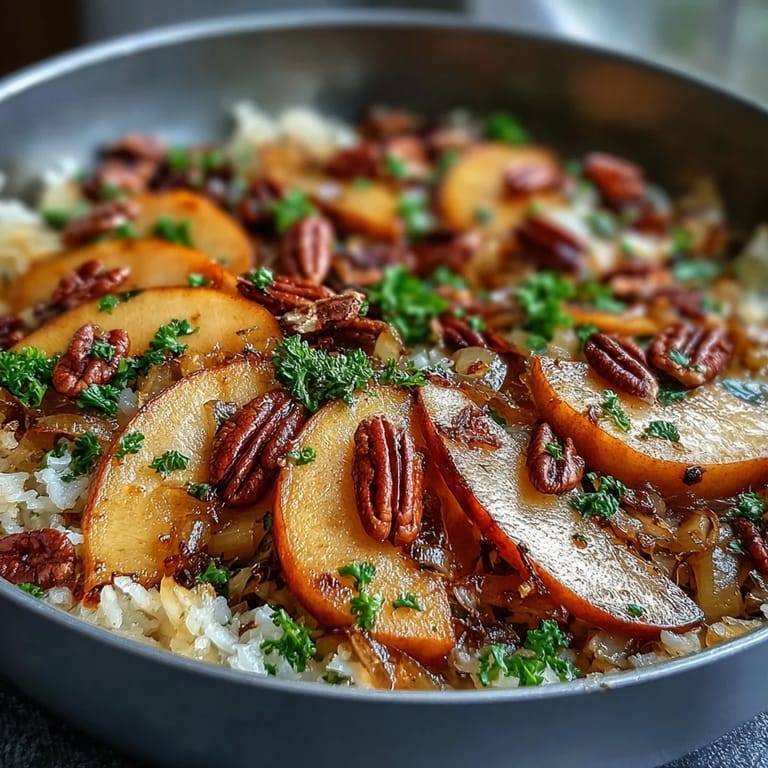
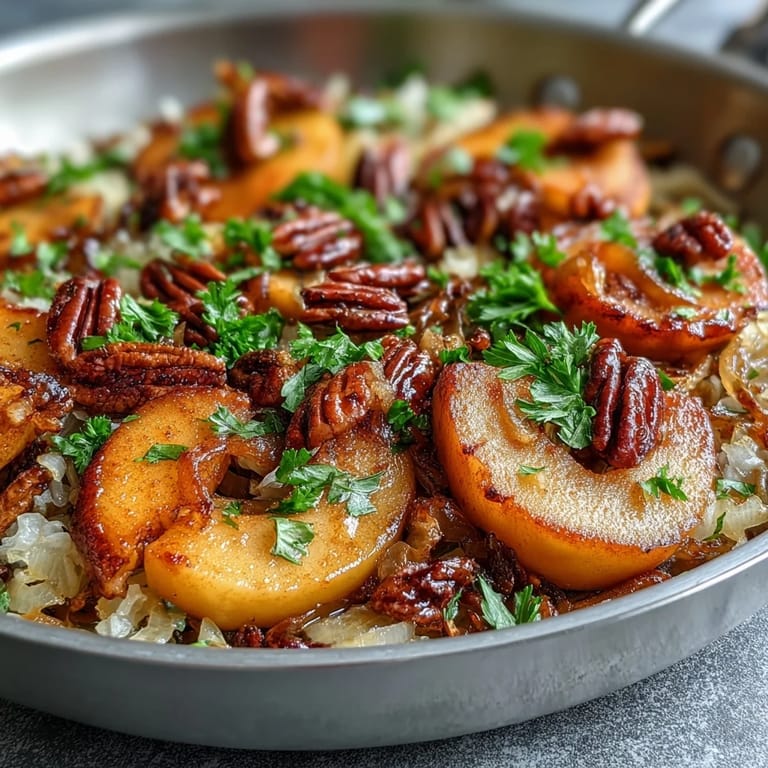
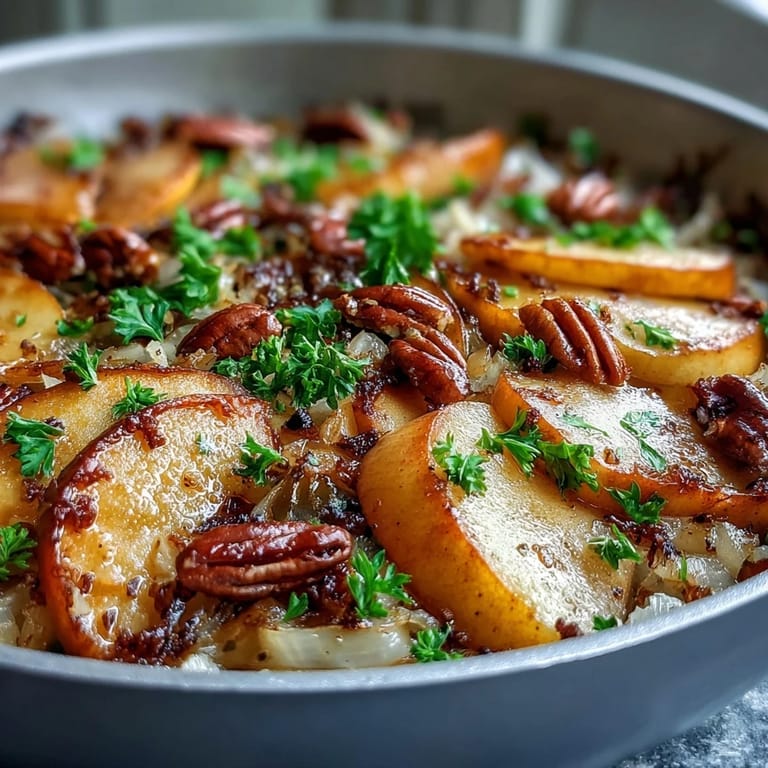
- Apples (2 medium, Honeycrisp or Gala): Choose ones that are still a bit firm—they'll caramelize into golden rounds without turning to mush, and the natural sugars concentrate into something almost candy-like.
- Red onion (1 small, thinly sliced): This gets soft and sweet as it cooks, creating a subtle savory backbone that balances the tartness of the sauerkraut.
- Fresh sauerkraut (2 cups, drained): Buy it from the refrigerated section if you can—the live cultures are worth seeking out, and the flavor is brighter than shelf-stable versions.
- Olive oil (2 tbsp): Use one you actually like tasting, because it carries the whole flavor profile here.
- Apple cider vinegar (1 tbsp): This ties everything together with an understated brightness that doesn't overpower.
- Honey or maple syrup (1 tsp): Just enough to round out the edges and let the apples sing a little louder.
- Caraway seeds (½ tsp, optional): If you love them, include them—they add an earthy, almost rye-bread quality that feels very German kitchen.
- Black pepper (¼ tsp, freshly ground): Freshly ground makes a real difference in how bright this tastes.
- Salt (to taste): Don't skip this final adjustment—it amplifies everything else.
- Fresh parsley (2 tbsp, chopped): Adds a last-minute freshness and a little visual pop.
- Toasted walnuts or pecans (¼ cup, optional): The crunch is optional but worth it—toss them in a dry pan for a minute until fragrant.
Tired of Takeout? 🥡
Get 10 meals you can make faster than delivery arrives. Seriously.
One email. No spam. Unsubscribe anytime.
Instructions
- Get your skillet ready:
- Heat olive oil over medium heat until it shimmers and smells sweet. You want it hot enough that when you add the apples, they sizzle just slightly.
- Caramelize the apples and onion:
- Add your sliced apples and red onion, stirring every minute or so. After about 5 to 6 minutes, the apples will turn golden at the edges and the onion will soften into something almost jammy—this is exactly what you're after.
- Toast the caraway (if using):
- Sprinkle in the caraway seeds and let them cook for just one minute. You'll smell them wake up, which is your signal they're releasing all their flavor.
- Add the sauerkraut and bring it together:
- Pour in your drained sauerkraut along with the apple cider vinegar, honey, and black pepper. Toss everything gently and let it warm through for 2 to 3 minutes—you're not trying to cook it, just heat it until it's steaming.
- Taste and adjust:
- Take a spoonful, and if it needs more salt, add it now. Sometimes the sauerkraut carries enough salt already, so taste first.
- Finish and serve:
- Transfer everything to a serving bowl while it's still warm. Top with fresh parsley and toasted nuts if you're using them, then serve immediately while it still has that welcome warmth.
 Pin It
 My daughter once asked why this tasted so different from the sad desk salads her friends packed for lunch, and I realized it's because warm food carries memory differently—it lingers. Serving this at the table meant people sat longer, talked more, asked for the recipe. Food that asks you to slow down is rare, and that's what this does.
Why This Works as Both Side and Main
On its own, this is a complete light lunch that feels substantial without being heavy. But it's also the perfect companion to grilled sausages, roasted chicken, or even smoked fish—it cuts through richness with its tang and provides a brightness that lets other flavors shine. The fact that it works both ways means you're never stuck with a one-note meal.
Playing with Apple Varieties
Honeycrisp and Gala apples give you that sweet-tart balance that feels almost designed for this dish, but Granny Smith will push you into sharper territory—which some people prefer. If you like things mellower, Braeburn or Pink Lady work beautifully. The key is choosing an apple that holds its shape during cooking rather than one that dissolves into applesauce.
Storage and Serving Suggestions
This keeps beautifully in the refrigerator for up to three days, and reheats gently in a skillet over low heat—just add a splash of water if it's looking dry. You can also serve it at room temperature as a next-day lunch, though the warmth really is part of its charm. For a heartier version, stir in some cooked kielbasa or crumbled smoked tofu right at the end.
- Make a double batch on Sunday and you'll have an easy side all week long.
- If you're cooking for someone avoiding nuts, the parsley garnish alone gives you the visual finish and fresh flavor.
- Leftovers sometimes separate a bit—just toss them together again or add a teaspoon of olive oil when reheating.
 Pin It
 This recipe proves that the best meals don't need long ingredient lists or complicated techniques—they just need one person willing to pay attention while cooking. Make this once, and you'll make it again.
Recipe FAQs
- → What does warm apple and sauerkraut taste like?
The combination offers a delightful balance of sweet and tangy flavors. Caramelized apples provide natural sweetness that complements the pronounced tanginess of fermented sauerkraut, while onions add depth and caraway seeds contribute subtle earthy notes.
- → Can I prepare this ahead of time?
While best served warm for optimal texture, you can prepare the components in advance. Slice the apples and onions beforehand, then cook when ready to serve. Leftovers reheat beautifully in a skillet over low heat.
- → What type of apples work best?
Honeycrisp or Gala apples offer excellent balance, but you can adjust based on preference. Granny Smith provides extra tartness for those who enjoy sharper flavors, while Fuji or Braeburn add more sweetness.
- → Is this dish gut-healthy?
Yes, sauerkraut contains beneficial probiotics that support digestive health. While heating may reduce some live cultures, the fermented cabbage still provides fiber and beneficial compounds. Using raw sauerkraut and adding it at the end helps preserve more probiotics.
- → What can I serve with this skillet?
This pairs beautifully with grilled bratwurst, smoked sausage, or roasted potatoes for a complete meal. It also complements pork chops, roasted chicken, or can stand alone as a light vegetarian main with a side of crusty bread.
- → Can I make this vegan?
Absolutely. Simply substitute maple syrup for honey to keep the dish entirely plant-based. The rest of the ingredients are naturally vegan, making it an excellent choice for plant-based diets.