 Pin It
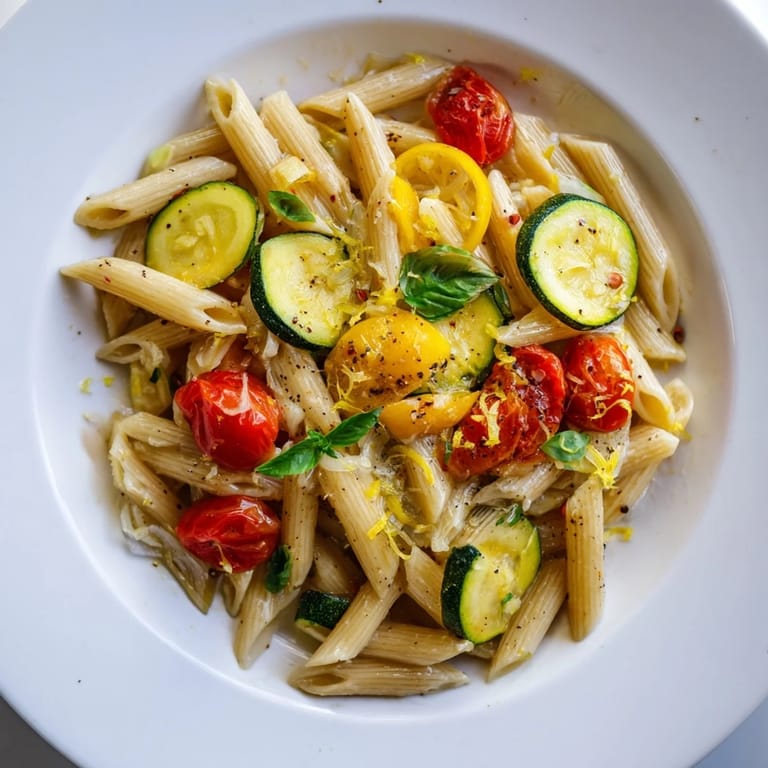
 My neighbor knocked on my kitchen door one July morning with a colander full of squash she couldn't keep up with. I was mid-coffee, barefoot, with no plan for dinner. By noon, I'd turned her garden overflow into this pasta, and we ate it on the porch with cold white wine. That's how this recipe was born: out of abundance, a little improvisation, and the kind of summer heat that makes you crave something bright and easy.
I made this for my brother's family the weekend they visited from out of town. His kids, who usually push vegetables around their plates, went back for seconds. My sister-in-law asked for the recipe twice before they left. It wasn't fancy, but it felt generous and summery, the kind of meal that doesn't try too hard but somehow impresses anyway.
Ingredients
- Penne or fusilli pasta (12 oz): Short shapes with ridges grab onto the vegetables and olive oil better than smooth noodles, and they're sturdy enough to toss without breaking.
- Zucchini (1 medium): Slice them into half-moons so they cook evenly and don't turn to mush; I learned the hard way that rounds take forever to soften.
- Yellow squash (1 medium): Adds a sunny sweetness and a little visual contrast, plus it cooks at the same rate as zucchini.
- Cherry or grape tomatoes (2 cups): Halved tomatoes burst just enough to create a light, fresh sauce without needing canned anything.
- Extra virgin olive oil (2 tbsp): Use the good stuff here; it's not just for cooking, it's the base of the whole dish.
- Garlic (3 cloves, minced): Sauté it gently so it perfumes the oil without burning and turning bitter.
- Kosher salt (1/2 tsp, plus more): Season the pasta water generously; it's your only chance to flavor the noodles from the inside out.
- Black pepper (1/4 tsp): Freshly ground makes a difference, adding a subtle warmth that dried pepper just can't match.
- Fresh basil (1/4 cup sliced, plus extra): Stir it in at the end so it stays bright green and aromatic, not cooked into oblivion.
- Red pepper flakes (1/4 tsp, optional): A pinch wakes everything up without making it spicy, just pleasantly alive.
- Parmesan cheese (1/3 cup grated, optional): It melts into the pasta water and creates a creamy coating, but the dish is lovely without it too.
- Lemon zest (optional): A little brightness at the end lifts the whole plate, especially if your tomatoes aren't super sweet.
Tired of Takeout? 🥡
Get 10 meals you can make faster than delivery arrives. Seriously.
One email. No spam. Unsubscribe anytime.
Instructions
- Boil the pasta:
- Bring a large pot of salted water to a rolling boil and cook the pasta until al dente, then save half a cup of the starchy water before draining. That cloudy water is liquid gold for bringing the sauce together later.
- Sauté the garlic:
- Heat olive oil in a large skillet over medium heat and add minced garlic, stirring constantly for about a minute until it smells incredible but hasn't taken on any color. If it browns, it'll taste sharp and bitter.
- Cook the squash:
- Toss in the zucchini and yellow squash, stirring every so often, and let them soften for 4 to 5 minutes. They should be tender but still have a little bite, not limp or watery.
- Add the tomatoes:
- Stir in the halved tomatoes along with salt, pepper, and red pepper flakes if you're using them, and cook for another 3 to 4 minutes until they start to collapse and release their juices. The skillet should look saucy and smell like summer.
- Toss with pasta:
- Lower the heat and add the drained pasta directly to the skillet, tossing everything together and adding splashes of reserved pasta water until it looks glossy and cohesive. The starch helps everything cling without feeling greasy.
- Finish with basil and cheese:
- Stir in the fresh basil and Parmesan if you're using it, then taste and adjust the salt or pepper. The basil should wilt just slightly but stay vibrant and green.
- Serve:
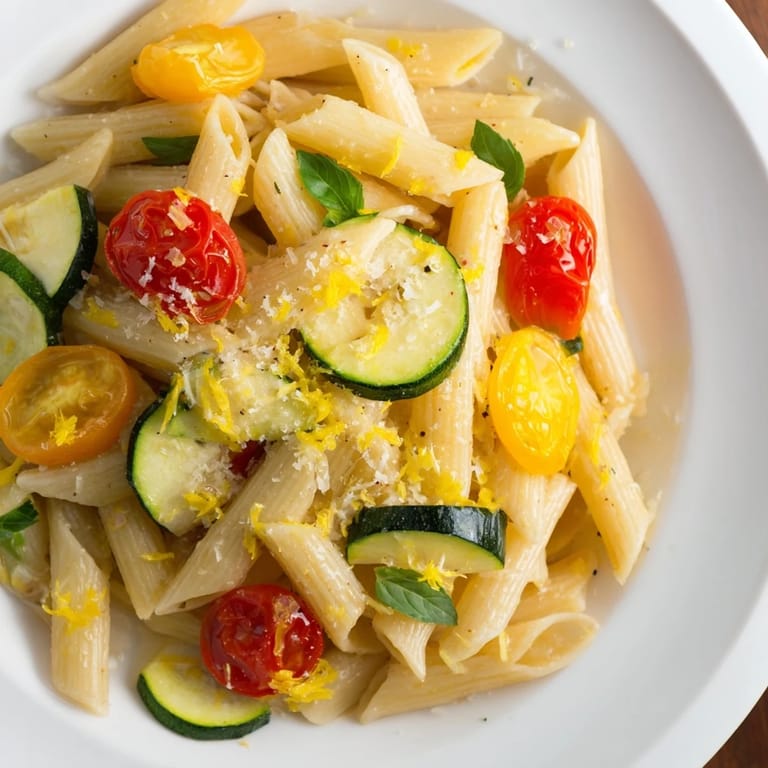
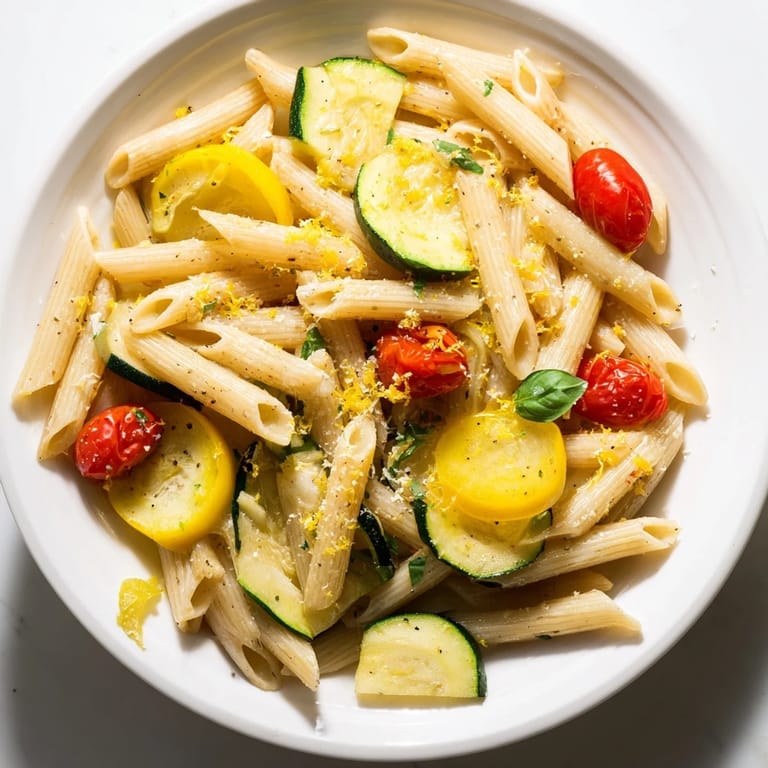
- Divide the pasta among bowls and top with extra basil leaves and a little lemon zest if you want. It's best eaten right away while everything is hot and aromatic.
 Pin It
 The first time I made this, I forgot to reserve the pasta water and tried to fix it with olive oil. It was fine, but not magic. The second time, I remembered, and the whole dish came together like silk. Now I keep a mug by the stove just to remind myself. Small things like that turn a good dinner into one you'll make again and again.
Swapping and Adding Vegetables
This pasta is forgiving enough to handle whatever you have on hand. I've stirred in handfuls of baby spinach at the end, diced bell peppers with the squash, and even roasted eggplant when I had leftovers. Asparagus works beautifully in spring, and frozen peas add sweetness in a pinch. Just keep the proportions similar so the pasta doesn't get lost under a mountain of vegetables.
Making It Ahead or Storing Leftovers
This dish is best fresh, but leftovers keep in the fridge for up to three days in an airtight container. Reheat gently in a skillet with a splash of water or broth to loosen it up, since the pasta absorbs the sauce as it sits. I don't recommend freezing it; the vegetables get too soft and the texture suffers. If you want to prep ahead, chop the vegetables in the morning and cook everything just before serving.
Pairing and Serving Suggestions
I love serving this with a simple green salad dressed in lemon and olive oil, maybe some crusty bread to soak up any sauce left in the bowl. A chilled Sauvignon Blanc or Pinot Grigio is perfect alongside, crisp and light enough not to compete. If you want to make it more filling, grill some chicken or shrimp separately and toss it in at the end.
- Top with toasted pine nuts or slivered almonds for a little crunch.
- Swap Parmesan for crumbled feta or goat cheese if you want a tangier finish.
- Drizzle with a little balsamic glaze just before serving for a sweet, acidic pop.
 Pin It
 This is the kind of dinner that feels like a small celebration of whatever's growing outside, whether it's your garden or your neighbor's generosity. It doesn't need much, and that's exactly why it works.
Recipe FAQs
- → Can I use frozen vegetables instead of fresh?
Fresh vegetables work best for this dish as they provide the vibrant colors and delicate textures that make it special. However, if using frozen, thaw and drain them thoroughly to remove excess moisture before adding to the skillet.
- → How do I achieve the perfect al dente pasta?
Follow the pasta package instructions, but start checking about 1-2 minutes before the recommended time. The pasta should be tender but still have a slight firmness when bitten. Remember to reserve pasta water before draining—it helps create a silky sauce.
- → What can I substitute for basil?
Fresh oregano or parsley work beautifully with this combination. For a different flavor profile, try tarragon or chives. Mint adds an unexpected twist if you enjoy herbaceous notes.
- → How do I make this dish vegan?
Simply omit the Parmesan cheese or use a plant-based alternative. All other ingredients are naturally vegan. The dish remains delicious and satisfying without dairy.
- → What's the best way to store leftovers?
Store cooled pasta in an airtight container in the refrigerator for up to 3 days. Reheat gently over low heat with a splash of water or olive oil. Add fresh basil after reheating to preserve its bright flavor.
- → Can I add protein to this dish?
Absolutely. Grilled chicken, chickpeas, or white beans complement the vegetables beautifully. For seafood lovers, shrimp or fresh mozzarella pearls add richness without overwhelming the delicate flavors.