 Pin It
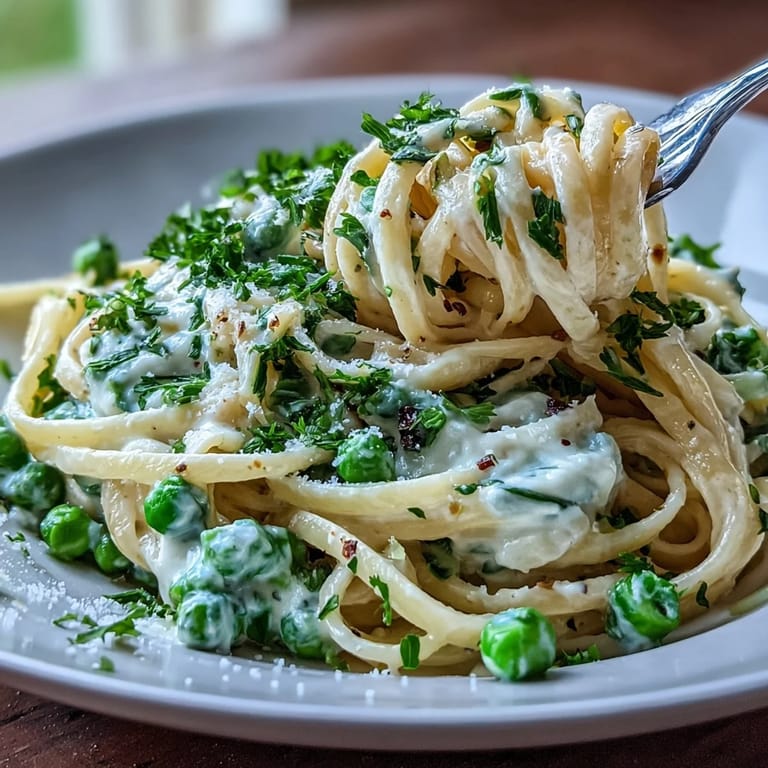
 The first time I made ricotta and lemon linguine with peas, a ray of late afternoon sun stretched across my counter while I squeezed a fresh lemon. My window was cracked open, letting in the scent of newly mowed grass and the sound of distant laughter. I remember how the creamy ricotta blended with zest, promising something light enough for spring but deeply comforting. Even before tasting, the colors alone—bright green peas against snowy ricotta—felt like an invitation to linger at the table. This pasta is the kind of meal that’s ready in a blink but lingers on your mind.
I once cooked this for friends on the first balmy evening after winter, our laughter echoing in the kitchen as peas rolled off the cutting board and someone tried to zest a lemon with a cheese grater. We ate straight from the pot, parsley scattered hastily over the top, sharing stories as the sun dipped behind budding trees. No one noticed the slightly overcooked garlic—only the joy and the spring flavors in every forkful.
Ingredients
- Linguine: Choose a quality pasta and cook just to al dente; undercooking slightly means your final toss stays tender but not mushy.
- Fresh or frozen peas: Sweet and bright—use fresh when you can, but frozen peas still shine when spring isn’t quite here.
- Garlic: Minced finely to avoid bitter bites; watch closely for just fragrant, not browned.
- Lemon zest: Go for unwaxed lemons—the zest is the soul of this pasta and tastes best freshly grated.
- Lemon juice: Adds tang and balances the rich ricotta; squeeze by hand for freshness.
- Fresh parsley: Chopped just before serving brings flavor and color; sprinkle generously.
- Ricotta cheese: Full-fat is best for creamy texture, but use what you love—whisk well for smoothness.
- Parmesan cheese: Grate fresh for nutty punch; store-bought pre-grated works in a pinch but isn’t quite the same.
- Extra-virgin olive oil: Fruity oil adds depth and silkiness; don’t skimp.
- Salt: Essential for flavor—remember to salt both the pasta water and the sauce.
- Black pepper: Freshly ground for gentle warmth throughout.
Tired of Takeout? 🥡
Get 10 meals you can make faster than delivery arrives. Seriously.
One email. No spam. Unsubscribe anytime.
Instructions
- Boil your pasta:
- Fill your largest pot with water, salt it like the sea, and bring to a rolling boil before dropping in linguine. Stir occasionally—when the pasta is al dente and just yielding to your bite, save some water and drain well.
- Sauté garlic and peas:
- Warm olive oil in your favorite skillet and scatter minced garlic—listen for the gentle sizzle, breathing in the fragrant steam. Add peas and toss gently until they turn vibrant and just tender, nudging them with a wooden spoon.
- Mix your creamy base:
- In a large bowl, whisk ricotta, lemon zest, juice, Parmesan, salt, and black pepper until fluffy and smooth. It turns soft yellow and smells sharp—taste and adjust for brightness.
- Combine pasta and sauce:
- Add the hot linguine and sautéed peas to the bowl, then pour in a splash of reserved cooking water. Toss gently: the creamy ricotta hugs each strand—add more water if you want silkier sauce.
- Finish and garnish:
- Sprinkle everything with fresh parsley and a little more Parmesan. Taste and adjust seasoning, serving hot with extra lemon zest if you like.
 Pin It
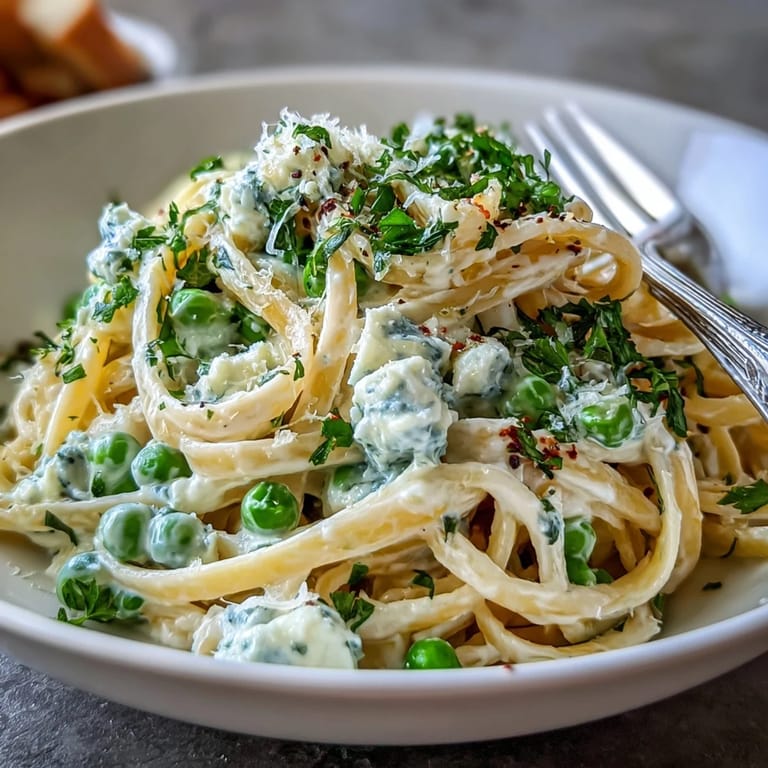
 One bite of this pasta during a spontaneous spring picnic made me realize how food transforms simple moments into small celebrations. The lemon ricotta sauce felt both luxurious and comforting, and friends lingered over refills even after the plates emptied.
Infusing Extra Brightness
I discovered that adding a handful of baby spinach or arugula to the skillet with the peas gives an earthy freshness alongside the citrus. Sometimes, I mix in extra lemon zest at the end for a hit of tang—great for those who love sharp flavors.
Choosing Your Cheese Wisely
If you want a richer sauce, swap ricotta for mascarpone or use more Parmesan. I learned to double-check cheese labels when cooking for guests with allergies, as some Parmesan uses animal rennet. The flavor shifts a little, but the creaminess stays consistent.
Some Final Serving Secrets
This dish is happiest served immediately, straight from the pan—and I’ve found that chilled Sauvignon Blanc makes every forkful sparkle. Sharing at the table means you can add extra lemon or Parmesan to taste; don’t be shy about customizing. Leftovers rarely last past lunch, so store in a closed dish and reheat gently.
- If using frozen peas, blanch them briefly for color and sweetness.
- Save extra lemon zest for garnishing—guests love it.
- Pasta water really is gold; use it bit by bit to adjust texture.
 Pin It
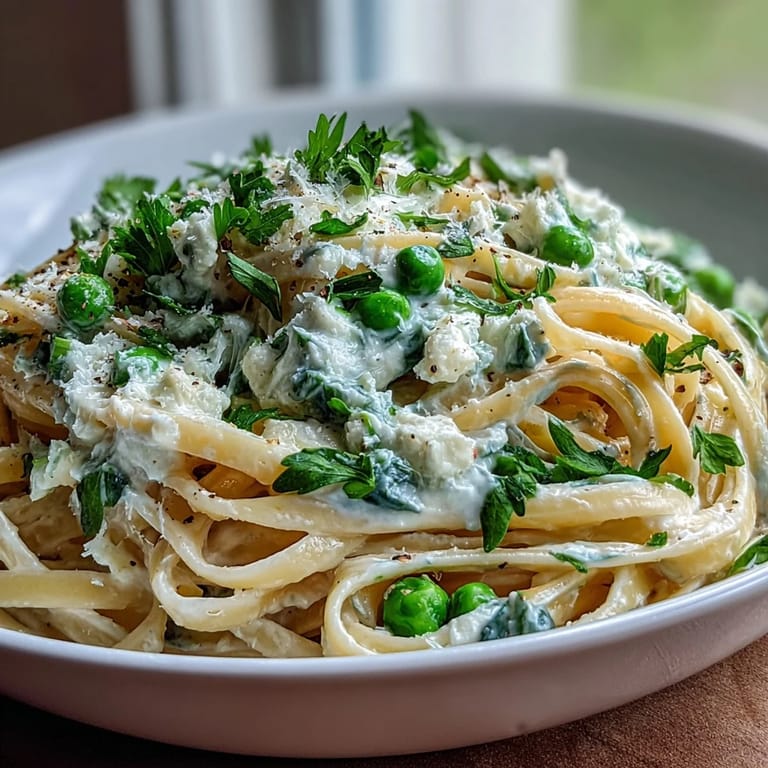
 Making spring pasta together always feels like a fresh start. Enjoy every creamy, lemony bite—it’s more than a meal, it’s an invitation to slow down and savor.
Recipe FAQs
- → Can I use frozen peas instead of fresh?
Yes, frozen peas work well; just cook them slightly longer until bright green and tender.
- → How can I make the sauce creamier?
Add reserved pasta water gradually and mix ricotta thoroughly for a silky, creamy sauce.
- → What pasta alternatives are suitable?
Whole-wheat linguine or spaghetti can substitute for added fiber or texture variety.
- → How can I add more greens?
Stir in baby spinach or arugula with the peas for extra freshness and color.
- → Is this dish suitable for vegetarians?
Yes, it uses cheese and vegetables but contains no meat. Check cheese labels for dietary needs.
- → What wine pairs well?
Sauvignon Blanc or Pinot Grigio complements the bright, creamy flavors beautifully.