 Pin It
 My neighbor once arrived at my door on Easter morning with flour still dusting her apron, clutching a tin of warm hot cross buns that filled my kitchen with the most intoxicating smell of cinnamon and candied citrus. She'd learned the recipe from her grandmother decades ago, and watching her describe how the dough transforms under your hands—soft, yielding, studded with jewel-like dried fruit—made me determined to master it myself. The first batch I made wasn't perfect, but biting into that spiced, pillowy warmth with the tangy glaze still tacky on top, I understood why this bread has endured for centuries.
I'll never forget my teenage daughter sitting at the kitchen counter while I shaped the dough, asking if she could pipe the crosses herself. Her lines were wobbly, some buns got double crosses, a few got none at all, but when we pulled them from the oven and she brushed that glossy citrus glaze across them, her face lit up like she'd just created edible art. We sat together in the quiet early morning, steam rising from a mug of tea, splitting a warm bun and talking about nothing important—those moments when baking becomes less about technique and more about connection.
Ingredients
- Bread flour (4 cups / 500 g): This has more protein than all-purpose, which gives your buns structure and that tender-yet-sturdy crumb you want—don't skip it or they'll feel too soft.
- Instant yeast (2 1/4 tsp / 7 g): Make sure it's fresh; old yeast leads to dough that rises reluctantly and buns that feel dense instead of airy.
- Ground cinnamon, allspice, and nutmeg (1 tsp, 1/2 tsp, 1/2 tsp): These warm spices are the soul of the bun, but measure them with respect—too much and they become bitter, too little and they disappear.
- Mixed dried fruit (3/4 cup / 110 g): Use a combination of currants, raisins, and candied orange peel; the variety creates different pockets of sweetness and texture as you bite through.
- Orange and lemon zest: Fresh zest is non-negotiable here—it adds brightness that dried zest simply cannot match, and your hands will smell wonderful while you're zesting.
- Whole milk and water (1/2 cup each, lukewarm): The milk enriches the dough while the water keeps it from becoming too dense; lukewarm means the yeast will activate properly without getting shocked by temperature.
- Unsalted butter (1/4 cup / 60 g, melted): Melted butter disperses evenly and creates a tender crumb, but it must cool slightly before mixing with eggs or you'll scramble them.
- Eggs (2 large, room temperature): Room temperature eggs incorporate smoothly and contribute to a pillowy texture that cold eggs cannot achieve.
- All-purpose flour for cross paste (1/3 cup / 45 g): This stays visible on top and creates that traditional look, but the paste must be thick enough to hold its shape as the buns rise.
- Powdered sugar and citrus juices for glaze: Fresh-squeezed juice makes all the difference—bottled juice tastes flat and one-note by comparison.
Tired of Takeout? 🥡
Get 10 meals you can make faster than delivery arrives. Seriously.
One email. No spam. Unsubscribe anytime.
Instructions
- Combine your dry ingredients:
- Whisk together flour, sugar, yeast, cinnamon, allspice, nutmeg, and salt in a large bowl, making sure the yeast and spices are evenly distributed so every bite has flavor. This blending step prevents pockets of concentrated spice that would catch in your teeth.
- Prepare your wet mixture:
- Warm milk and water should feel like bathwater against your wrist, not hot; whisk them together with melted butter and room-temperature eggs until the mixture is homogeneous and pale. If your butter is too hot, let it cool for a minute before adding eggs or they'll scramble into tiny specks.
- Bring dough together:
- Pour the wet ingredients into the dry, stirring until a shaggy dough forms and no dry flour remains visible. This moment is often messy and unrefined, but that's exactly right—the kneading comes next.
- Add fruit and zest, then knead:
- Sprinkle the dried fruit, orange zest, and lemon zest across the dough and knead by hand or stand mixer for 8 to 10 minutes until the dough becomes smooth, elastic, and glossy. You'll feel it transform under your hands, becoming almost silky, and the fruit distributes throughout in a way that promises wonderful flavor in every bite.
- First rise:
- Transfer dough to a lightly greased bowl, cover with a damp towel or plastic wrap, and let it rest in a warm place until doubled in size, roughly 1 hour. A warm oven with the light on, a sunny windowsill, or even a proofing box all work well; the key is consistent warmth without direct heat.
- Shape the buns:
- Turn the puffy dough onto a lightly floured surface, divide it into 12 roughly equal pieces with a bench scraper or knife, and shape each into a ball by cupping it in your hands and rolling it toward you on the counter. Arrange them on a parchment-lined baking tray with about an inch of space between each, as they'll puff up during the second rise.
- Second rise:
- Loosely cover the tray with a towel and let the buns rise for 30 minutes until they look puffy and gentle to the touch; meanwhile, preheat your oven to 375°F (190°C). They should not feel hard or tight, but rather pillowy with just a little spring-back when you press them gently.
- Make and pipe the cross:
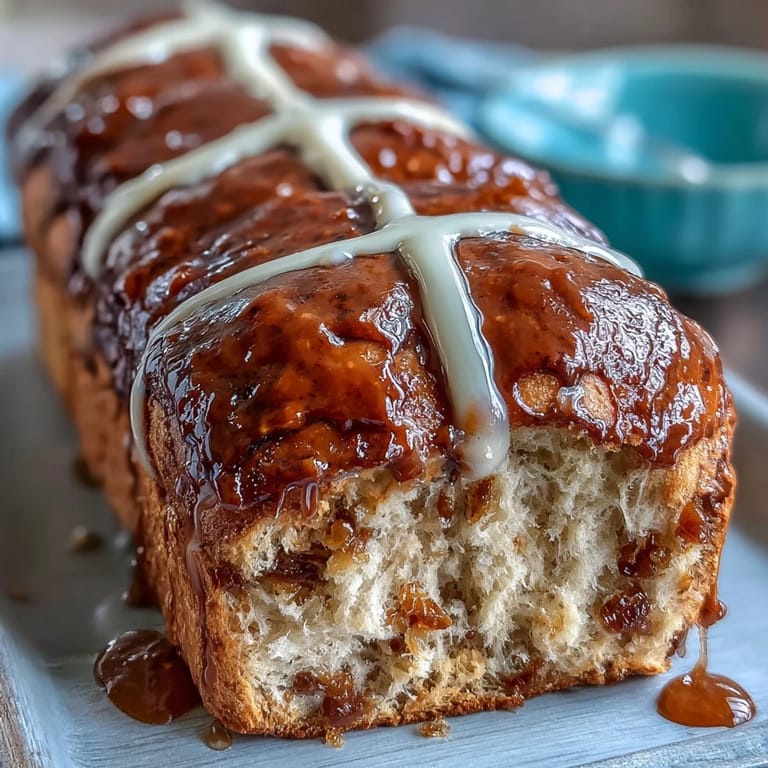
- Mix all-purpose flour with 3 to 4 tablespoons of water, stirring until you have a thick, pourable paste that holds its shape when piped. Transfer to a piping bag (a small zip-top bag with a corner snipped off works too) and pipe a neat cross over each bun, applying gentle, steady pressure so the paste settles into a visible line.
- Bake until golden:
- Bake for 20 to 25 minutes, watching until the buns are deep golden brown and sound hollow when you tap the bottom. The time varies depending on your oven, so trust your senses—color and sound matter more than the clock.
- Make the glaze while baking:
- While the buns finish baking, whisk together powdered sugar, fresh orange juice, and lemon juice until smooth and glossy, adjusting the consistency with more juice if it's too thick. The glaze should drip slightly from a spoon but not be runny.
- Glaze and cool:
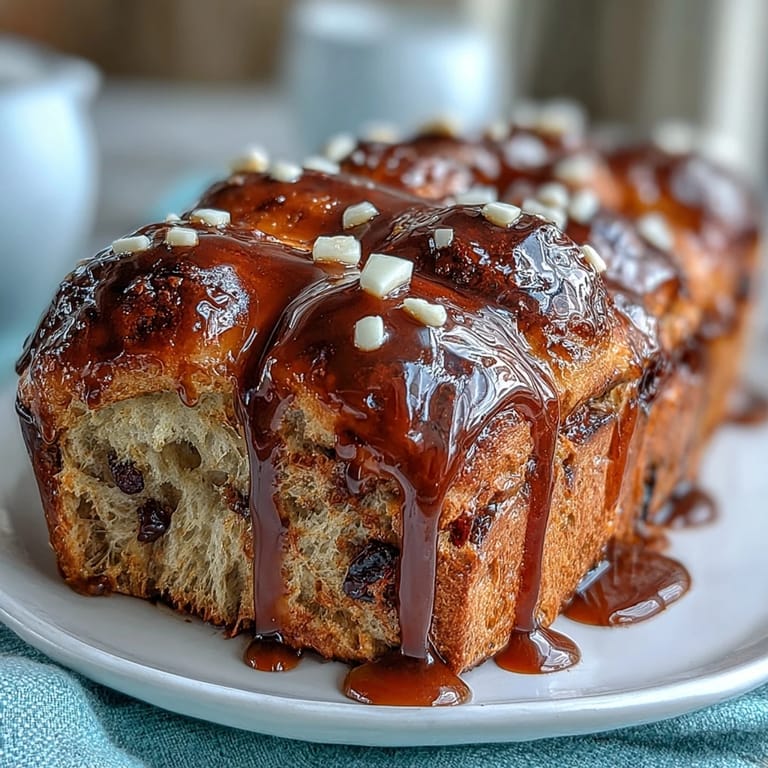
- Remove buns from the oven and immediately brush each one generously with the citrus glaze while they're still hot—the warmth helps the glaze soak in and create a tender, slightly tacky top. Transfer to a wire rack and let them cool enough to handle, though they're best eaten warm or at room temperature within a few hours.
 Pin It
 There's something almost spiritual about sharing warm hot cross buns on a spring morning—the way the steam rises when you tear one open, the way the spice and citrus work together like they were made for each other, the quiet comfort of knowing you created something that tastes like tradition. That's when this recipe stops being about measurements and timing and becomes about making moments that people remember.
Variations to Explore
Once you've mastered the classic version, you can play with the spice blend by adding a pinch of cardamom for a warmer, almost floral note that pairs beautifully with the citrus. I've also experimented with swapping dried cranberries or apricots for some of the currants, which shifts the flavor profile toward something brighter and less traditional—and that's exactly the point of understanding a recipe well enough to make it your own.
Serving and Storage
Hot cross buns are best enjoyed within a few hours of baking, split and maybe warmed briefly in the oven or toaster, though I've found they're still wonderful at room temperature the next day if you wrap them well. You can freeze the shaped, unbaked buns for up to a month; thaw them overnight in the fridge, let them rise for about an hour, then proceed with the glaze and baking.
The Small Moments That Matter
Baking these buns teaches you something quiet about patience and presence—you can't rush the rises, you can't skip the zesting, and the glossy glaze won't look right if you're not paying attention. There's a meditative quality to shaping twelve identical buns, to piping those crosses with care, to pulling them from the oven at exactly the right moment when the edges are dark but the centers are still soft. It's the kind of recipe that rewards you with more than just food; it rewards you with a sense of having done something well with your hands, in your own kitchen, for people you care about.
- Serve these buns slightly warm for the best flavor—the spices open up and the glaze is still a little tacky.
- If you find your crosses spreading during the second rise, your paste was too thin; remake it thicker next time.
- Make the glaze only when the buns come out of the oven so you can brush it on while they're still hot enough to absorb it.
 Pin It
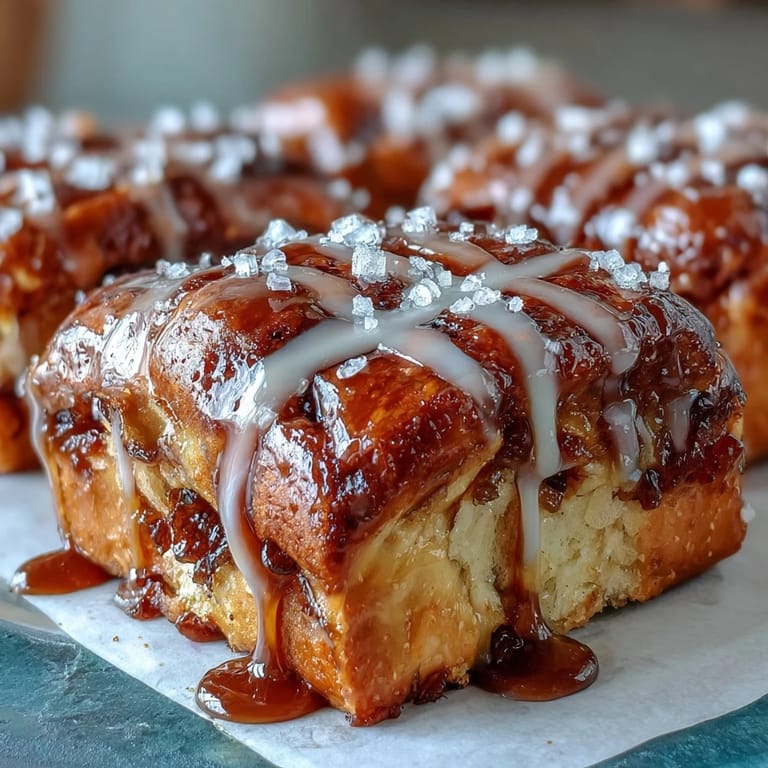
 These hot cross buns are a promise you make to yourself—a promise to slow down, to measure carefully, to trust the process. They arrive at your table as soft, spiced clouds crowned with a tangy glaze, and they taste like spring and tradition and your own competence all at once.
Recipe FAQs
- → What spices are used to flavor the buns?
Cinnamon, allspice, and nutmeg create a warm, aromatic blend that complements the dried fruit and citrus zest.
- → How is the signature cross made on top of the buns?
A paste made from all-purpose flour and water is piped onto the buns before baking to form the classic cross.
- → What does the citrus glaze consist of?
The glaze combines powdered sugar with freshly squeezed orange and lemon juice, brushed on warm buns for a glossy, zesty finish.
- → Can I substitute the dried fruit used in the buns?
Yes, you can try dried cranberries, apricots, or other dried fruits to add different flavors and textures.
- → What is the best way to serve these buns?
Serve slightly warm to enjoy the soft texture and enhanced flavors of the spices and citrus glaze.
- → Are there common allergens in these buns?
They contain gluten, dairy, and eggs. Check dried fruit brands for possible traces of nuts or soy.